
Our motivation and inspiration
Pauline E. McLeod was born in Delegate, Southern NSW. She was a member of the Stolen Generation and was removed from her natural family in 1962 aged 18 months. In 1986 she returned home and became an author, poet, master storyteller, cultural learning educator, director and performer.

Pauline from Play School
Popularly known as Pauline from Play School, Pauline was one of the first Indigenous performers to appear regularly on a nation-wide television show in Australia. Throughout her lifetime Pauline presented her Cultural Learning stories at schools, working with children and youth from preschool to high school grades. She was also a guest lecturer in Aboriginal studies at TAFE colleges and universities throughout New South Wales and a storyteller at the Opera House, Australian Museum and the National Gallery in Canberra.
Mandura has a commitment to donate 20% of all profits to the Pauline E. McLeod Foundation.
Dedicated to creating opportunities for the next generation
Roderick McLeod, Pauline’s brother, is the Founder of the Pauline E. McLeod Foundation. The Foundation seeks to continue Pauline’s journey of building acceptance, understanding and healing with a focus on creating positive opportunities for the next generations.
The Foundation’s focus areas include First Nations mental health, entrepreneurship and education as well as positive employment opportunities for First Nations Australians.
“According to Government statistics, First Nations Australians die by suicide at a rate twice higher than the non-First Nations Australians. It breaks our hearts that First Nations children are the highest risk group. 75% of child suicides between 2007 and 2011 were First Nations children. Our own Pauline, who inspires us every day, was also taken this way.” says Roderick McLeod, Founder, Pauline E. McLeod Foundation.
To address this desperate need, the Pauline E. McLeod Foundation is currently funding seven psychology scholarships for First Nations students through the Westerman Jilya Institute for Indigenous Mental Health. These scholarships help with study, living and transport costs, affording vital financial assistance to students who are studying an undergraduate or postgraduate degree. By eliminating the very real financial barrier to study, these scholarships help to facilitate the training of more First Nations psychologists skilled in Indigenous specific mental health, suicide prevention and intervention programs, ultimately taking their experience back to the most disadvantaged, high-risk communities to facilitate real change.


“When it comes to these psychology students, we are not just investing in the development of one individual, we are investing in the high-risk communities to which these students will return once they graduate, making a real difference to the many lives they will influence – not just their future patients, but their patient’s children, brothers, sisters, parents, aunties and uncles. And that continues for a lifetime.”
Roderick McLeod, Founder of the Pauline E. McLeod Foundation.
Kairee Sheppard
Kairee Sheppard is a proud Butchulla and Munanjali Bundjalung woman who lives in regional Queensland and is now in her third year of her Bachelor of Psychological Sciences, majoring in Forensics (Criminology), at Deakin University. She also happens to be a new mum.
Kairee is an experienced hand having worked in the education, employment and youth support sectors for many years. In fact, she already has a Certificate IV in Community Services Work under her belt.
Coming from an area where there is very little mental health support for her people, Kairee hopes to change all that by becoming a clinical or forensic psychologist.

Kairee Sheppard
Tammy Hatherill
Tammy is a proud Palawa/Pakana person of Tasmanian heritage who is now living in Darwin, on Larrakia land. Tammy is committed to advocating ‘choice’ for First Nations Peoples, particularly around their mental healthcare, using culture and connection as part of those healing options. With a passion for health, cultural rights and policy changes, she is currently studying a Doctor of Philosophy at the University of Queensland. Through her studies, Tammy aims to bridge knowledge gaps and advocate for change in the mental health sector to benefit First Nations Peoples.
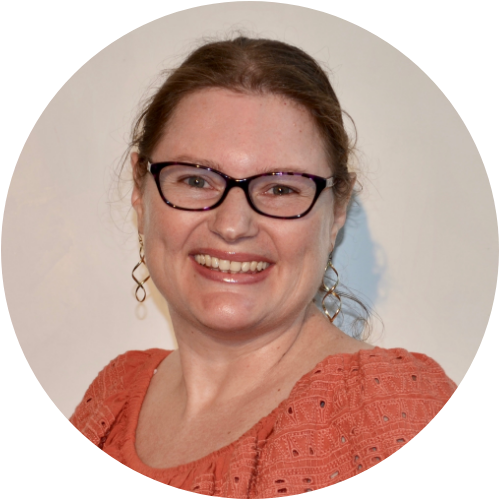
Tammy Hatherill
Kurtis Makuru
Kurtis Makuru is a proud Wilman Minang Noongar with family who are survivors of the Stolen Generation. Kurtis grew up in Kinjarling country and lives in Whadjuk country (WA) studying Psychology. Kurtis is driven by a strong desire to give back and plans to commence a Masters in Counselling Psychology after graduating.
Addressing and combating the immense trauma Indigenous people specifically face to create better outcomes for our youth is what Kurtis is incredibly passionate about.
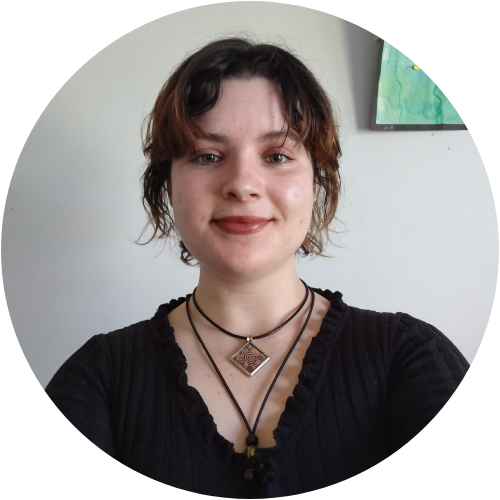
Kurtis Makuru
Amber Briggs
Amber Briggs is a proud Yorta Yorta/Wemba Wemba/ Dhawurd Wurrung woman. Amber has extensive experience working with people and has developed her skills in relationships and deep listening.
Accessibility to mental health services in regional Victoria, where Amber is based, is challenging. It’s even more challenging to find a psychologist with lived Aboriginal or Torres Strait Islander experience. When Amber graduates, she’ll be a applying a culturally centred approach on-country, to psychological services within the community where she resides.
This scholarship means a lot to Amber, not only is it providing important financial assistance in order to focus on studies but also the important connections with other Indigenous psychological students that increases motivation to succeed.
Amber is currently an Honours student at Swinbourne University of Technology.

Amber Briggs
Jada Briggs
Jada Briggs is from Shepparton, Victoria.
Throughout her lived experiences, Jada has noticed a growing gap between Indigenous peoples and access to mental health services. She has witnessed Indigenous people go down paths they never needed to, if only they could address the underlying factors.
Her goal is for Indigenous people’s voices to be heard and their struggles to be addressed. She wants them to be understood. She wants Indigenous people to be able to talk to someone who understands them, and has similar lived experiences, like her.
Jada’s dream is to become a Clinical Psychologist and assist her people in becoming the best versions of themselves. With the support of Avery Products, the Pauline E. McLeod Foundation is helping to make that dream a reality.

Jada Briggs
Rahel Boon
Rahel is a proud Wiradjuri woman from Broken Hill committed to advocating for Indigenous mental health and empowering people living with neurodivergence to take control of their lives. She is currently a third-year student studying a Bachelor of Social Science in Psychology, with a passion for supporting Aboriginal communities, mental health advocacy and social justice. Through her studies, Rahel aims to provide services and support for people, particularly those with ADHD and other neurodivergences, assisting them in living their best lives. She brings her own lived experience to her work, ensuring a compassionate and understanding approach to mental health and wellbeing.
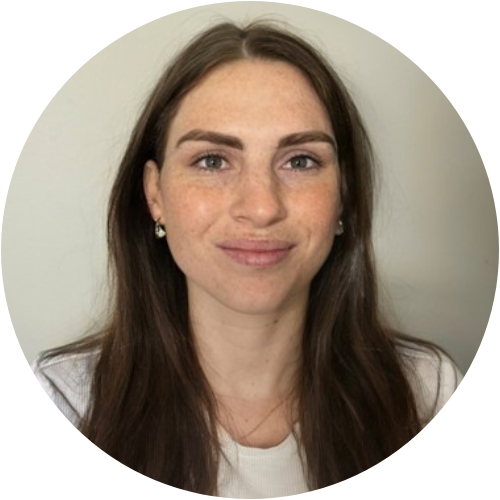
Rahel Boon
Samara Fernandez
Samara is studying her Bachelor of Psychological Science (Honours) at La Trobe University. A Warlpiri woman, Samara’s family comes from the remote communities of Yuendumu, Willowra, and Nyirripi in central Australia, as well as Lajamanu in the Top End. Samara’s family and community have shaped who she is today. She’s excited about the journey ahead as she works towards becoming a clinical psychologist. Her goal is to use her skills to give back to her community and empower others to achieve their goals, break generational cycles, and create positive change in their own lives.
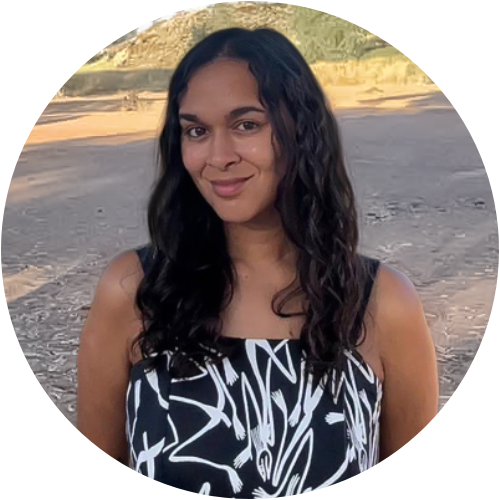
Samara Fernandez
“In 2018, the employment rate of First Nations Peoples was around 49%. The same figure for non-Indigenous Australians is around 75%. That’s a big difference! Employment is important for many reasons. It not only provides direct benefits to individual and families, is associated with better physical and mental health but also sets up future generations to succeed. It’s why Mandura is committed to a 40% First Nations employment target and has chosen to partner with the Clontarf Foundation,” explains Scott Allen, Mandura CEO.
The Clontarf Foundation
Educating, sharing knowledge and supporting young people was very important to Pauline from Play School. That’s why the Foundation named in her honour has chosen to partner with the Clontarf Foundation – to do something about First Nations boys who disengage from education at a faster rate than any other demographic within Australia. The Pauline E. McLeod Foundation is currently covering the costs associated with five boys attending the Dunheved Clontarf Academy, based at the Dunheved Campus of Chifley College (Mt Druitt, NSW), along with five boys attending the Belmont Clontarf Academy, near Perth Airport.

The Clontarf Foundation exists to improve the education, discipline, life skills, self-esteem and employment prospects of young First Nations men, and by doing so, equips them with the foundation to transition into meaningful employment and achieve better life outcomes.
Using the existing passion these boys have for sport allows Clontarf to encourage them to attend school, and then keep them coming. The Foundation partners with schools and communities to create Clontarf Academies which are embedded within the school grounds and education program.